
Introduction to Pet Memorialisation
The profound sense of loss felt by many pet owners has generated an intense concern over the form and nature of funerary commemoration. Commemorative pet mourning behavior has a documented history, often involving the same activities descriptive of a 'good' human death: special food, grooming, body manipulation including embalming, and primary or substantial internment. As activities are increasingly restricted by social and emotional constraints, the trending mortality expansion and memorialization of companion animals produce a dramatic development in the funerary goods market.
This project evaluates specific funerary manufacturing perspectives which reveal the memorial box and scatter packaging types now frequently chosen, nearing cost equivalence with common urn options. Applying annular packing, box shape, and ash conservation value, commonality is observed among scatter boxes—clearly relative to specifically memorial-directed play. Both box classes provide pet owners a tangible connection to absent animals, permitting evocative engagement of both commemorative forms. Suggestions include furthering options by manufacturing both biodegradable material and a dedicated break-apart functional product design, while reconsidering large-volume post-cremation practices.
Understanding Memory Boxes
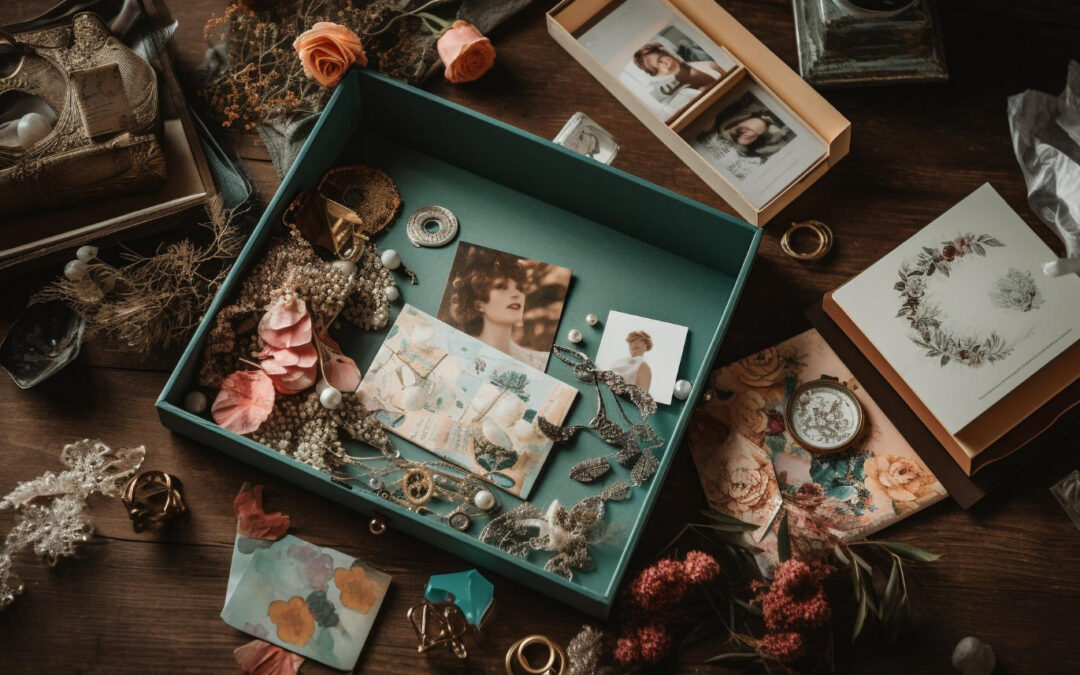
When attempting to define what a memory box is, it is not easy to pinpoint an exact structure. A memory box could be a simple wooden box, an elaborate and ornate box, a painted box, or even a china box. One could fill it with a family member's keepsakes, such as photographs and christening gowns. For those pet guardians who want to commemorate their pets in a tangible manner, a custom or personal memory box has become the commemorative choice. They come in all shapes and sizes and are created from an assortment of materials. More importantly, memory boxes seem to be used universally as a resource to capture and preserve memories of our loved ones. These tangible items are utilised to preserve life memories and keep us in touch with our past. By holding onto these life treasures, we, in theory, are ensuring future generations have a sense of who we are and a true sense of their family's history.
What is a Memory Box?
When attempting to define what a memory box is, it is not easy to pinpoint an exact structure. A memory box could be a simple wooden box, an elaborate and ornate box, a painted box, or even a china box. One could fill it with a family member's keepsakes, such as photographs and christening gowns. For those pet guardians who want to commemorate their pets in a tangible manner, a custom or personal memory box has become the commemorative choice. They come in all shapes and sizes and are created from an assortment of materials. More importantly, memory boxes seem to be used universally as a resource to capture and preserve memories of our loved ones. These tangible items are utilised to preserve life memories and keep us in touch with our past. By holding onto these life treasures, we, in theory, are ensuring future generations have a sense of who we are and a true sense of their family's history.
What is a Memory Box?
The profound sense of loss felt by many pet owners has generated an intense concern over the form and nature of funerary commemoration. Commemorative pet mourning behavior has a documented history, often involving the same activities descriptive of a 'good' human death: special food, grooming, body manipulation including embalming, and primary or substantial internment. As activities are increasingly restricted by social and emotional constraints, the trending mortality expansion and memorialisation of companion animals produce a dramatic development in the funerary goods market.
This project evaluates specific funerary manufacturing perspectives which reveal the memorial box and scatter packaging types now frequently chosen, nearing cost equivalence with common urn options. Applying annular packing, box shape, and ash conservation value, commonality is observed among scatter boxes—clearly relative to specifically memorial-directed play. Both box classes provide pet owners a tangible connection to absent animals, permitting evocative engagement of both commemorative forms. Suggestions include furthering options by manufacturing both biodegradable material and a dedicated break-apart functional product design, while reconsidering large-volume post-cremation practices.
Understanding Memory Boxes
When attempting to define what a memory box is, it is not easy to pinpoint an exact structure. A memory box could be a simple wooden box, an elaborate and ornate box, a painted box, or even a china box. One could fill it with a family member's keepsakes, such as photographs and christening gowns. For those pet guardians who want to commemorate their pets in a tangible manner, a custom or personal memory box has become the commemorative choice. They come in all shapes and sizes and are created from an assortment of materials. More importantly, memory boxes seem to be used universally as a resource to capture and preserve memories of our loved ones. These tangible items are utilised to preserve life memories and keep us in touch with our past. By holding onto these life treasures, we, in theory, are ensuring future generations have a sense of who we are and a true sense of their family's history.
What is a Memory Box?
Memory boxes that reflect fashion or seasons have gone in and out of style, but memory boxes reflecting a time in history or a place do not grow old. Decorating an old memory box can help to learn history and capture the flavor of the time and place. Modern memory boxes can use old and new objects to tell a story. This is why it is increasingly popular for many to make memory boxes for pets that have died. Death is sometimes considered a morbid subject, but while we love an animal, we know that it will eventually die. Caring for and burying or cremating the body of a pet forces us to deal with the reality of death in some form, no matter how unsentimental we may feel. With pet cemeteries and cremation services available, there are more options for caring for the body of a pet when it dies. Many bury their pets in special places, but some are faced with the problem of what to do with the ashes when they are unable to scatter them.
First, what is a memory box? Traditionally, a memory box is a box used to store mementos for the purpose of preserving memories. It has been known that humans have used memory boxes for as long as we have known how to make boxes. The classic child's "treasure chest," also called a "hope chest," is used by small children to store their treasures. Opening a box after years of storage provides a reminiscence of the child that was once there and, depending on the number and type of items stored, reveals important facts about the time of the child. This feature of storing the past within the present makes a memory box an excellent tool for telling both the participant and others about the life of the participant while the participant is still a part of the life story told by the box.
Materials Used in Memory Boxes
Introduction We have found that people use a great variety of artifacts and materials in constructing memory boxes or in decorating scatter boxes. These greatly help in the task of memory and reunion with personal companions with whom the owners have experienced much of their lives. We view this as an interactive design process and have facilitated many sessions in which we and our various clients, often brought to us by veterinarians, have jointly developed memory boxes and scatter boxes. In this paper, we describe examples of memory and scatter boxes. We also summarise specific design approaches and issues that have arisen in facilitating the development of these artifacts and how the life experiences of veterinarians are often effectively called upon in the process of creating them.
Wooden Boxes Wooden boxes are by far the most common for memory boxes. Size varies considerably, but those seen by us often fall between about 6 inches square by 3 inches tall to about 16 inches square by 8 inches tall. Many pet cemeteries specify a maximum size for interment, and devices that uniformly reduce the size of any box to this maximum are particularly useful. Boxes can come with hinged or removable lids, but we have seen only a few pet-size owners select them even though they are popular for the human-size counterparts. Many techniques are used when wooden boxes are the basis of memory boxes or the actual scatter box itself. These techniques are very personal. Some interior linings are simple. We have seen some with padding placed on individual sides or on the central side of the box. Some people place the ashes in the liner bag with no further additions; others place the ashes in a small commercially available plastic urn within a box.
Designing a Personalised Memory Box
Size When used for pets, memory boxes should be larger than the approximate size of a large coffee table book, with a minimum size of twelve inches by twelve inches. This allows them to hold more comprehensive collections of memorabilia and be large and sturdy enough to serve as a partially functional horizontal surface, taking up enough volume to be worth the effort of appurtenance and the process of filling it. They should not exceed three to four inches deep; this helps the memory box be a manageable size that is easy to walk comfortably around or reach into to store/safeguard items, especially if used when pets are put to rest after burial. Materials Conventional memory boxes are available in art and craft stores or via hobby catalog companies. However, there are no limitations with the memory box used in the personal memorialization process. It can be as basic or as luxurious as one wishes to make it. Homeowners can create their specific memorial box with new or found items that are either sentimental or that they feel will pay homage to the pet’s memory. Personalisation When a pet becomes part of our lives, it is hard to let go when they pass. Memorial boxes are appreciated and can never be full, helping those dealing with the loss remember the time they spent with their pet by sorting through small items and memories. Therefore, the box should reflect the special bond between owner and pet. This role as a physical memory can be best achieved when it is filled with items that hold sentiment or have significance.
The Importance of Scatter Boxes
The greater number of pet cremations, whose cremains are removed from the crematory location only by hand, contains pet owners who select scatter boxes rather than the more costly and more popular memory box. These scatter boxes, ranging in quality from very sophisticated to very simple, come in many sizes and are made of a variety of materials – from beautifully stained wood to commercial packaging containers to simple paper-based boxes like those in which some businesses put doughnuts. These materials often achieve the stated purpose of allowing pet owners the option to return the pet's cremains to the specific earth or to other filter materials wherever pet owners choose. This is the pet's favorite haunt or wherever they led their pets before death.
A scatter box shares with an inexpensive cardboard memory box that a pet owner can use it and the cremains of its pet to create a pet memorial. Both are less about marking the rich material or immaterial aspects of pets, as do many of the previous examples. Nonetheless, both are sometimes used to symbolically represent the memories of and emotions towards pets. Scattering can serve as a comforting totem or mark a significant spot of the places on earth that are important not just to the pets but also to the heirs, administrators, or friends who are burying the pets. Economical scatter boxes and containers for all species of pets, as well as human family members, symbolically act as repositories of specific memories and allow relatives a coping mechanism to believe in some afterlife where the departed pets continue playing on a landscape or material that meant something to them during their lifetime.
What is a Scatter Box?
A scatter box is a simple box or container that is fully biodegradable. It can be made out of recycled paper, cardboard, silk, or other biodegradable materials, and is therefore suitable for a pet, in whole or part, to be laid to give back to the earth and return to the earth or sea. A scatter box is used for, as it says on the tin, for ashes to be scattered in a special location, but many different things can be included in a scatter box that is suitable for a natural burial. Up to now, many one hundred percent biodegradable scatter boxes offered on the market were decorated with designs unsuitable for a pet memorial or living room display prior to use. Now, available in a variety of themes suitable for a pet and made from 100% recycled paper or cardboard, scatter boxes offer a range of designs suitable to have in pride of place prior to use. The designs of such biodegradable boxes use the principles employed in the creation of memory boxes, which look to advertise that the living remember their deceased loved ones.
The idea of using natural burial insists upon an environmentally sound option and strong love and desire to have a pet to take with them as they move on to join the light; it is not something negative, something to just get rid of. What different scatter boxes bring to the pet loss and memorialisation market are the reassurance that the deceased pet is remembered and will rest as naturally as possible, and that scatter boxes can celebrate the life, further bond, enrich, help the bereaved accept and deal with the deceased pet's absence, and bring comfort to those left behind through illustrations and activities. This market could benefit from other memory-making activities. The scattering of ash has become increasingly fashionable. However, what is currently available for pet caregivers to use for full pet body interment is limited. Furthermore, when, where, and with whom ashes are to be scattered is currently decided as shortly after pet death as possible; bodies must be cared for while this is decided and organised.
Choosing the Right Scatter Box for Your Pet
Generally, scatter box sizes should be chosen based upon the total weight of the pet's remains. For example, you will want to ensure you purchase a large enough container if you are scattering the ashes of your Rottweiler on his favorite beach. Most pets ranging in the weight area of 40-100 lbs. and up will usually require scatter boxes around 150-200 cubic inches in size, which is similar in size to that of a human scatter box. The actual amount of cremains for pets can be more than that of a human because of the density of the bone, and the bone encasement of the body is firmer in dogs and cats. However, this is not always true with miniatures such as ferrets or small lizards. Research is recommended in this case. Pets weighing 30 pounds or less will be able to use smaller scatter boxes.
Also, keep in mind that the meaning of the journey that you will have with your pet in the scattering of the remains can also take into consideration the size of the box, and you might want to, in fact, get a larger scatter box. Always use the funeral home or crematory's offerings as a reference regarding what you need in a scatter box for your pet's final resting place.
Eco-Friendly Options for Scatter Boxes
Scattering one's pet's ashes at a favorite spot can be a lovely way to commemorate the pet's memory. Biodegradable scatter boxes and bags are available that can facilitate this process and also meet the spiritual needs of pet-bereaved clients in cases where the deceased pet owner has requested this final role for their hospital's post-cremation box. The organic set of biodegradable scatter boxes is also described. As access to green spaces diminishes, and aware of our rapidly depleting supply of areas that can be used for the burial of our deceased pets' bodies, some pet owners are choosing to scatter, in a particularly meaningful place, rather than bury their pet's ashes.
The increased availability of eco-friendly scatter options may make this burial alternative more attractive, as well as facilitate the pet-owning client's spiritual needs. It is particularly important to discuss the difference between biodegradable and non-biodegradable urns that are labeled as biodegradable. Costs for pet scatter boxes from companies that produce such products can be quite high. All the boxes hold a small volume of ashes (in the 10 cubic inch range), which may be beneficial for smaller animal patients.
Creating Lasting Memories
The family pet is part of the family's life and memories. It is not unusual, then, that pet-loving individuals express an interest in some kind of memorial for their beloved animals. Memorializing pets is not a modern concept. Photographs and paintings of pets have been used for over 100 years. Monuments, including pet cemeteries and markers in gardens and flower beds, as well as pet obituaries and memory book entries, have been used for nearly that long. In addition, commemorative brick-and-mortar buildings have been built as honorary memorials to beloved pets.
Although incorporating human-animal relationships has largely been the province of poets and artists, it may be that pressure and interest from pet owners who sincerely want to memorialize their pets are, as well, irresistible. However, the use of sitcom plots and news stories to discredit or marginalize people's needs to memorialize their pets not only jars pet owners but also insults the creative talent behind the poets, writers, memorial painters, and other artisans who capture and preserve this special bond. Interest in memorializing pets reflects the increasingly personal, psychological place pets have come to occupy in people's lives and relationships. Memorial artwork and memory boxes offer comfort while providing pet owners with an opportunity to actively grieve for their lost pets. As a result, this kind of pet memorial artwork may be even healthier than denial and suppression. Careful planning also allows individualized memorials to leave a meaningful, lasting visual record of the unique personalities within an about-to-be-forgotten relationship. That said, memory box artwork is not for everyone; pet owners who exhibit healthy, balanced stories about their animals do not typically mourn long or deeply. The skilled artist can, however, help such healthy pet owners recall their experiences, as well as their pets.
Incorporating Personal Items
Memory boxes that incorporate personal items can differ greatly depending on the size and shape of the individual items chosen; particular items might include a buckle, a collar, a shoe, a cap, a favorite brush, and so on. Again, the possibilities here are endless. Memory boxes often make use of one or more compartmentalised spaces and, as such, can serve to hold a number of different items.
In some cases, a memory box form can be designed in advance of the funeral and take the form of a particular box or container shape. A combination of group and individual boxes can be created, and people will be called to the front to place an item into the special box or to decorate it, as their particular thoughts and memories for a pet. All the individual emotional and personal attachments through a group memorialising act can result in a final collective presentation. Although sometimes used at funerals, this type of box can have wider applications for many other memorial services. For example, at the end of each Pet Loss Support Group, people create memory boxes with the aid of a leader's well-designed art program. Often, the results of a group memory box created on one day offer different goods, memories, and meanings to the next day, and so a series of themes might be set up to personalize each day and/or event.
Overall, personal items integrating this unique memorial approach by bringing items of customs and tradition, heritage, or hobbies that can mean so very much to pet owners can result in helping them to see and feel the loving support and help they bring and get from a pet's life and friendship. Small memorial boxes, that this particular result of combining item incorporating practice set out this study has so very much on owners' happen, help to lift owners' spirits with the admiration and respect they are given, while at the same time realising their own grief is loved, noticed, understood, and supported. Consequently, as a part of the ongoing discovery process, some memory boxes have been researched and then designed for a person who wants to honor a special pet and companion. In memorial boxes, items surrounding hobbies, the everyday life of the pet, and the owner's life with the pet have purpose and meaning drawn upon in telling the story of "our friendship so unique."
Adding Photos and Mementos
Photos are often the item used most frequently to personalize a memory box, and they help identify that the animal remembered was unique and special, as well as making the pet seen again. Combining text and photo items together on the same page is common. A casual form of photo treatment is just to attach loose prints to pages or in transparent photo holders. More formal presentations arise from framing or matting each item or using a scrapbook-style photo album. The latter technique is popular and easy to use, with protection and longevity of the items as a benefit.
Mementos such as name tags, locks of hair, collars, and so on are other items often included. Name and birth announcement cards or ribbons awarded at shows can be incorporated and usually have text information about the animal attached. Photo wallet-size cards are commonly produced by scanning an original, manipulating it in various ways to make it desired, and then printing the finished item on a dedicated photo-quality inkjet printer, as called for at that particular size setting. If actual digital camera original pictures are used, they can be manipulated simultaneously with non-printed images to provide matching. When these become well used, turning to the next scatter box may be a desirable option for whatever ashes remain.
Writing a Tribute or Letter
A 'Letter to My Pet' – More connections are added. These ideas could be used within a veterinary service, as part of a liturgical body, providing materials to guide poetic expression for writing a letter to a pet prior to euthanasia or dispersion of ashes or to include in a Memory Box. Pet owners may want to write spontaneously within the memory box process or at a later date. Reading others' writings can assist those who turn to the writings in the future. Another such possibility might be to hold a workshop as another way to honor sentimental memories of pet ownership. First of all, one should consider the pet's name. Sally seems a very formal name for a rat, so Sally shouldn't pooh in my hair at the frontage. There are tears of both laughter and sadness in this discovery.
The next thing to think about is how the family came to get the pet. Was it a pet shop? Or did a friend give an unexpected wonder? Then the activities form a large part of the pet's memory: meals, playtime, treats, and walks outside. After that, what did the pet like and dislike? These preferences should form a key part of the letter, for one adieu. What about odd behaviors, unique quirks, or sudden feats? There are additional thoughts in the conclusion of this book. What requests might be made of their recently deceased pet presently in heaven? If the departure of the pet was lengthy, did goodbyes occur? After that, there are personal insights by memory wonderings. Pet owners/contributors could draw inside their letter, write important memories in a decorative script, or design 'personalised' paper to suit a pet farewell.
Crafting Your Own Memory and Scatter Boxes
A memory or scatter box becomes a memorial when you save a part of your pet and label that portion so you know what it is and whose pet it represents. Your pet's collar, identification tag, or a small portion of fur are the most commonly saved items to place inside a memory box. Inside the scatter box, some families save a toy bone, a favorite toy, or something that was adored by the pet. It is comforting to know that you are sending a part of your faithful friend, who brought so much loyalty and love into your life, into the sky, earth, or water. Think about making this a thoughtful, peaceful ceremony that helps to connect us through life and death. We all need those connections to feel our lives are complete. Consider all the different types of memory or scatter boxes and the personal factors that you think your pet can appreciate. You can learn a lot about what you can or want to do when you recognize the dogs or cats that are chosen to model the many different examples. Relax and enjoy reflecting upon the different personal attributes that made your pet so meaningful, and choose the model that touches your heart and creates another feel-good memory of the fun and long-lasting bond you had together. The activity of creating a memory or scatter box can help to calm the soul by celebrating life and accepting the natural cycle of life and death. Explore options and learn that the process of creating might be comforting when it is your heart and your way of expressing the loss of a friend.
Step-by-Step Guide to Making a Memory Box
Creating a memory box in honor of your pet will allow you to remember your pet in a personal and informal way. There are only three steps to making a memory box. This easy memory box is suitable for families grieving the loss of a beloved pet. Boxes such as these can be created for your pet, including all family members in the task. Gather needed supplies. Using a tool such as a care package kit with its already supplied stickers, create labels for the contents of the memory box. Organize the labels in advance: an envelope for veterinary information, a container for pet toys, a bag containing a plaster imprint, etc. A one-inch or two-inch box is suitable for storing cooking and health items. A larger box might be needed to store an imprint of a plaster paw or other large items.
Pick a theme suitable for the pet. For example, a boy might choose a camouflage or sports theme, a girl might choose pink or rainbow colors, and an adult might choose a holiday theme. Look for a shoebox for these activities. The best boxes are lightweight and have a flat, even top. You can also purchase a special box. With an adult’s help, using a kitchen knife or box cutter, choose a box and cut a hole in its top. Using newspaper, an unused rag, or any other material, coat the bottom of the box. Store the supplies in the box and add any decorative paper, stickers, or ribbon. Drop the supplies into the box and add any extra items when the box fills. Complete the box’s design by using fashion tape, glue, or pins. Accomplish step three: organize the box’s contents. You may label the contents separated by a baggie or have the labels inserted into a holder that is available at any office supply store; just drop the label into the envelope itself.
Conclusion
As the preceding chapters have shown, pet memorial practices are deeply rooted in the human need for meaningfulness in struggle and transition. It is a need that what comes across as incidental or quaint may be framed, but the processes of framing these expressions point toward items of significance that play a role in the process of life transitions and send-offs for treasured animal friends. Personalizing the mourning and funeral process expands the options for individual and diverse expression of grief through memory boxes and scatter boxes. Dealing with pet death helps people through transitions, not merely of grief and loss, but of cognitive and emotional processes and stages of life transitions as the cycle of life, animal or human, moves forward. Our pets mirror us and vice versa, and our regard for them often reflects the regard we have for humanity and ourselves. Animal grieving done privately and publicly through the practice of making memory and scatter boxes, reflecting pet loss and personal memories, is far from insignificant. Those who ignore or belittle the practice may very well suffer at the expense of how important animals are to human life passages.